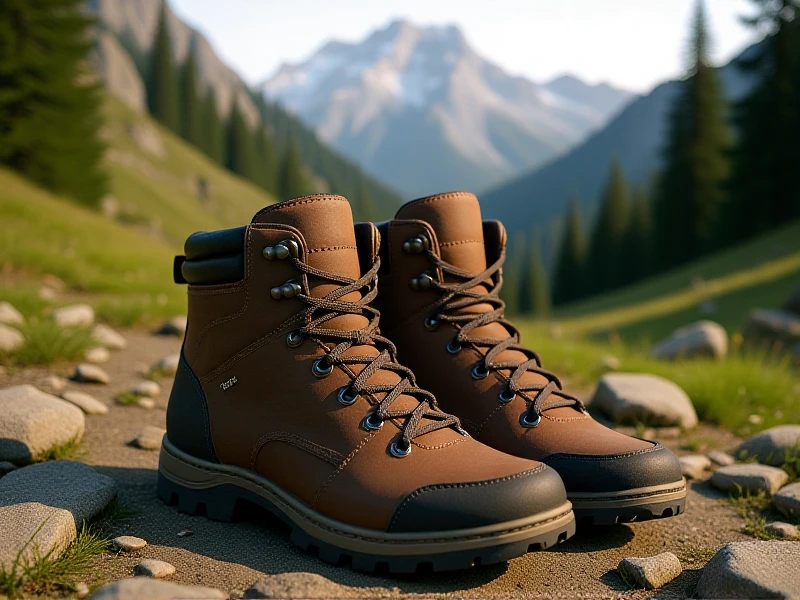
5 Must-Have Mountain Shoe Features for Unshakable Trails
Here's an optimized SEO article targeting "Mountain Shoes":
Embarking on a mountain adventure demands reliable footwear. Mountain shoes are your essential connection to rugged terrain, designed to handle steep ascents, unpredictable weather, and challenging descents. Choosing the right pair is critical for safety and enjoyment. Here are 5 indispensable features every top-tier mountain shoe must offer:
-
Advanced Grip Technology: Conquering loose scree, slippery rock, or muddy paths requires exceptional traction. Seek mountain shoes with aggressive, multi-directional lug patterns on high-quality rubber outsoles. Vibram® MegaGrip or similar proprietary compounds provide outstanding grip on wet and dry surfaces, reducing slips on technical trails.
-
Protective & Waterproof Membranes: Mountain weather shifts rapidly. Quality mountain shoes integrate breathable, waterproof membranes like GORE-TEX®. These barriers keep feet dry crossing streams or hiking in rain while releasing internal moisture. Reinforced toe caps guard against impacts with rocks and roots, enhancing durability on rocky trails.
-
Robust Ankle Support & Stability: Technical climbs require stability. Look for extended collars offering medium to high ankle support without restricting movement. A supportive midfoot cage or integrated heel counter locks your foot in place, preventing rolling ankles on uneven ground and reducing fatigue.
-
Cushioned & Protective Midsoles: Long descents punish feet and joints. Responsive yet protective cushioning in the midsole absorbs impact. Brands like Merrell (Moab Speed), Salomon (X Ultra), and La Sportiva (Trango) excel with EVA foam or specialized compounds like OrthoLite®, balancing comfort with a secure feel for precise foot placement. A durable rock plate provides essential underfoot protection against sharp rocks.
-
Secure, Adjustable Fit: Precision fit prevents blisters and hotspots. Mountain shoes should offer multi-point lacing systems allowing micro-adjustments throughout the foot volume. Secure heel pockets lock your foot in place, ensuring it doesn't slide forward on steep declines. Remember fit varies by brand – always try several models and sizes.
Pro Tip: Consider your specific terrain. Low-cut approach shoes excel on dry scrambles, while mid-to-high-cut mountain boots offer maximum support for heavier loads or winter conditions. Mountain bike shoes prioritize stiffness and pedal grip for off-road cycling excursions.
FAQ:
- Q: Are mountain shoes different from hiking boots? A: Yes. While often used interchangeably, dedicated mountain shoes typically offer stiffer soles, enhanced grip/stability for technical terrain, and may have features like crampon compatibility compared to general hiking boots designed for established trails.
Before You Buy: Visit a reputable outdoor retailer. Test fit mountain shoes with the socks you hike in and try walking on an incline. Prioritize performance features over aesthetics to ensure confidence and safety on every mountain path. Your feet – and your adventure – depend on it.